Winters in Charlotte are normally milder than in much of the country, but that doesn’t mean you can shrug it off. Overnight lows can dip into the 20s and low 30s from December through February, and the occasional ice storm or cold snap can stress a home’s system in several ways.
For rental property owners, preparing now is far cheaper than responding to a burst pipe or a no-heat emergency call at 2 AM. Here’s a practical guide to get your rental property ready for the colder months and keep your tenant comfortable.
Key Highlights:
- Service your heating system first. Schedule a licensed HVAC inspection in the fall, before contractors book out. For heat pumps, confirm the auxiliary heat strips work, and replace filters at the start of the season.
- Test your safety devices. Replace batteries, test every carbon monoxide and smoke detector, and swap out any units past their seven-to-ten-year expiration date.
- Seal air leaks and add insulation. Weatherstrip doors and windows, caulk exterior gaps, add attic insulation where it's thin, and seal leaky ductwork to cut heat loss and energy costs.
- Protect the exterior and roof. Clean gutters, inspect the roof for damaged shingles and flashing, trim overhanging branches, and have any fireplace inspected before use increases.
- Reduce space heater risks. Keep the main heating system reliable, share space heater safety guidelines with tenants, and check that your lease addresses fuel-burning portable heaters.
Starting With Your Heating System
The heating system is at the center of your preparation, since it’s your main way to keep temperatures comfortable in your property. This should be the first thing you check before the cold air starts rolling in.
Schedule an HVAC Inspection
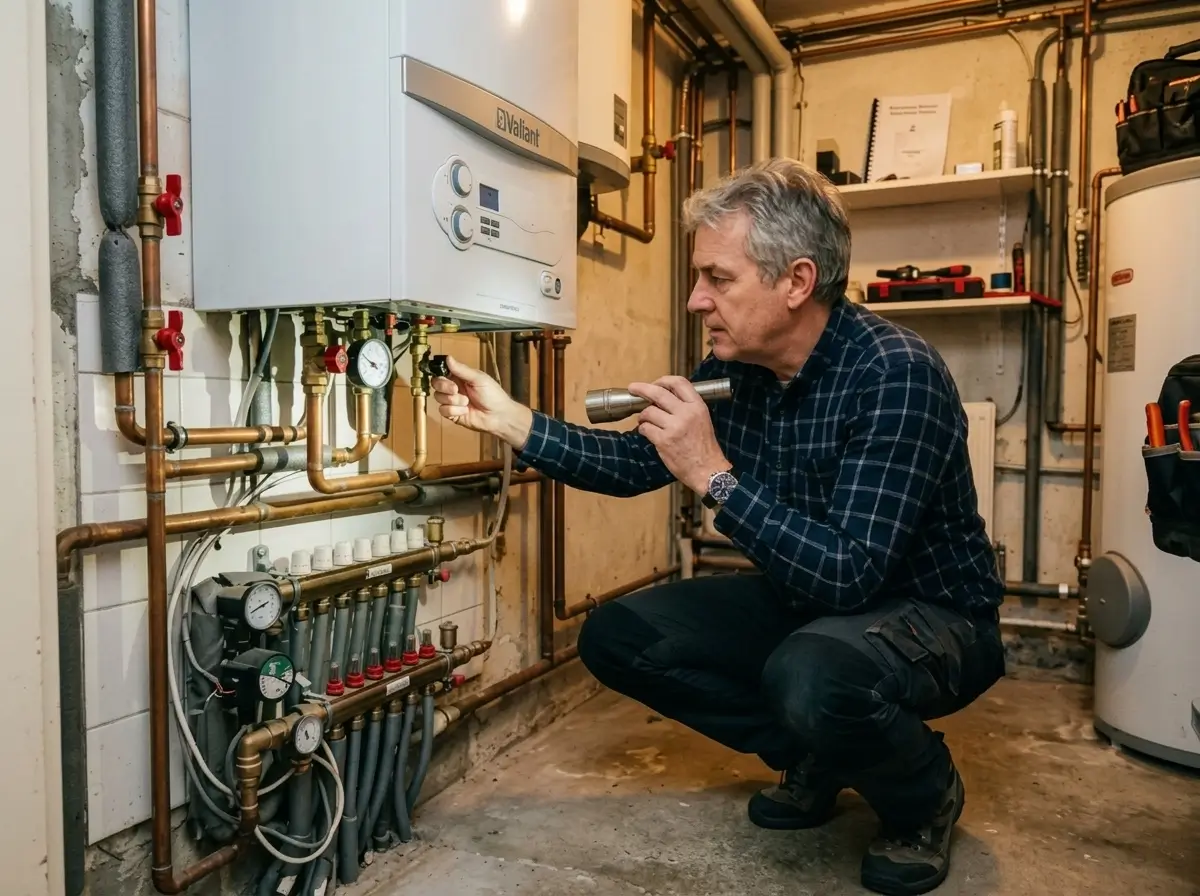
Have a licensed technician service the furnace or heat pump in the fall, before busy season hits and contractors are already booked out. Have them check the heat exchanger, ignition, blower motor, thermostat calibration, and airflow. For heat pumps, ask the technician to verify the auxiliary or emergency heat strips are working.
Replace Filters
A clogged filter will force your system to work harder and raise your energy bills. Replace your filter at the start of the season for good measure, and consider scheduling replacements. If your tenants are in charge of replacing filters, provide them with simple reminders every 1 to 3 months, depending on how heavy the usage is.
Test Carbon Monoxide and Smoke Detectors
Heating season is when carbon monoxide and fire risks climb. Renters might forget to turn off heaters or place them near flammable items, and your warning system should be functional. Replace batteries, test every unit, and swap out any detectors past their expiration date, which is typically seven to ten years.
Sealing Air Leaks and Adding Insulation
Heat can escape through small gaps more than people realize, and sealing them is one of the most cost-effective ways to improve energy efficiency.
Weatherstripping and Caulking
Inspect for cracked or compressed seals on your doors and windows. A new door sweep will cost a few dollars and can already make a ton of difference. Caulk around window frames, trim, and exterior penetrations, especially where pipes and cables enter the home.
Inspecting the Attic and Crawl Space
Many older Charlotte homes, particularly those built before the 1990s, have thin or settled insulation. Adding blown-in insulation to reach recommended levels can noticeably cut heating costs and improve comfort. If your property has a crawl space, make sure vents, vapor barriers, and floor insulation are intact.
Sealing the Ductwork
Leaky ducts in an unconditioned attic or crawl space can waste a significant share of the heated air before it reaches living areas. Mastic sealant or foil tape on joints helps. This also contributes to energy efficiency, which can help you and your tenants reduce energy costs.
Protecting Exterior and Roof
Winter exposes the weaknesses of your building. To minimize or prevent damage, do the following:
- Clean gutters and downspouts. Clogged gutters can cause ice buildup and water intrusion during freeze-thaw cycles.
- Inspect the roof. Look for missing or damaged shingles, as well as failing flashing. A small leak that goes unnoticed can cause significant water damage or mold growth.
- Trim tree branches. Ice storms can bring branches down onto roofs and power lines, and they can become a major liability during winter.
- Check the chimney. If your property has a fireplace, have it inspected and cleaned before use starts to increase.
Handling Space Heater and Safety Concerns
When a home feels cold, tenants will be inclined to turn to space heaters, which are the leading cause of residential fires. Reduce the temptation by making sure the main heating system performs well. Beyond that:
- Include space heater safety guidelines in your winter communication to tenants.
- Recommend models that have built-in measures like automatic tip-over shutoff and overheat protection.
- Remind tenants to plug heaters directly into wall outlets instead of extension cords or power strips.
- Consider whether your lease addresses fuel-burning portable heaters, which should generally be prohibited indoors.
FAQs
How cold does it actually get in Charlotte rentals during winter?
- Overnight lows can dip into the 20s and low 30s from December through February. Ice storms and cold snaps can also put extra stress on a home's systems, even though Charlotte winters are milder than much of the country.
When should I schedule my HVAC inspection?
- Fall is the best time, before the busy season begins and contractors are booked out. A licensed technician should check the heat exchanger, ignition, blower motor, thermostat calibration, and airflow. For heat pumps, they should also verify the auxiliary or emergency heat strips.
How often should HVAC filters be replaced?
- Replace the filter at the start of the season. If tenants are responsible for filter changes, send simple reminders every one to three months, depending on how heavily the system is used.
How often should smoke and carbon monoxide detectors be replaced?
- Test every unit and replace batteries before heating season. Detectors past their expiration date, typically seven to ten years, should be swapped out.
What are the most cost-effective ways to improve energy efficiency?
- Sealing air leaks is one of the most affordable options. Replacing a worn door sweep costs only a few dollars, and caulking window frames, trim, and spots where pipes and cables enter the home helps too. Adding blown-in attic insulation and sealing ductwork with mastic or foil tape can further reduce heating costs.
Why You Might Need Help
Getting a rental property ready for winter comes down to a handful of proactive steps, as well as setting clear expectations with tenants. Each task is manageable on its own, but together they take time, coordination, and reliable vendors
That’s what we can help you with. Fox Group Properties has both the expertise and connections to ensure that HVAC inspections are scheduled, maintenance issues are addressed, and tenants are taken care of when emergencies arise.
Contact us, and we can help you stay prepared throughout all the seasons.
More Resources:
Expert Charlotte Property Maintenance Tips You Need
Effective Rental Property Marketing Strategies for Charlotte, NC, Landlords